
For many homeowners, the garage slowly becomes a holding area for bins, seasonal decorations, and things nobody has touched in years. Meanwhile, valuable square footage sits attached to the house with far more potential than most people realize. Thoughtful garage conversion ideas can transform that underused area into a comfortable extension of the home that supports changing needs and everyday life.
A well-planned garage conversion can create a guest retreat, studio apartment, home office, or private living space that feels seamless with the main house. In Maryland, many homeowners are exploring ways to create flexible rooms without taking on a full addition. The right design can improve functionality while helping the converted garage feel original to the property.
Key Takeaways
- Garage conversions can create guest suites, offices, studios, and flexible living areas
- Proper insulation, lighting, and temperature control are essential for comfort
- A garage apartment conversion may support multigenerational living or rental income
- Exterior details should blend naturally with the rest of the home
- Permits, electrical wiring, and code requirements should be addressed early in the process
Starting With a Plan That Fits the Way You Live
The best garage conversion ideas begin with understanding how the space should function. Some families need a dedicated space for visiting relatives. Others want a home gym, private office, or quiet studio apartment removed from the activity inside the house.
Before construction begins, homeowners should evaluate how much square footage is available and how the garage connects to the rest of the property. A one car garage may work well for a compact office or guest suite, while a two car garage offers more flexibility for larger layouts or multiple uses. We’ve seen many Maryland homeowners realize they already had the footprint they needed; it simply was not being used intentionally.
Most garages were not originally designed as conditioned living areas, so converting your garage requires careful planning around insulation, plumbing, electrical systems, and airflow. Garages in Maryland must handle humid summers and freezing winters, which makes insulation, vapor barriers, and climate control essential. Many projects now incorporate ductless mini-split systems for efficient heating and cooling throughout the year.
Guest Suites and Garage Apartment Conversion Layouts
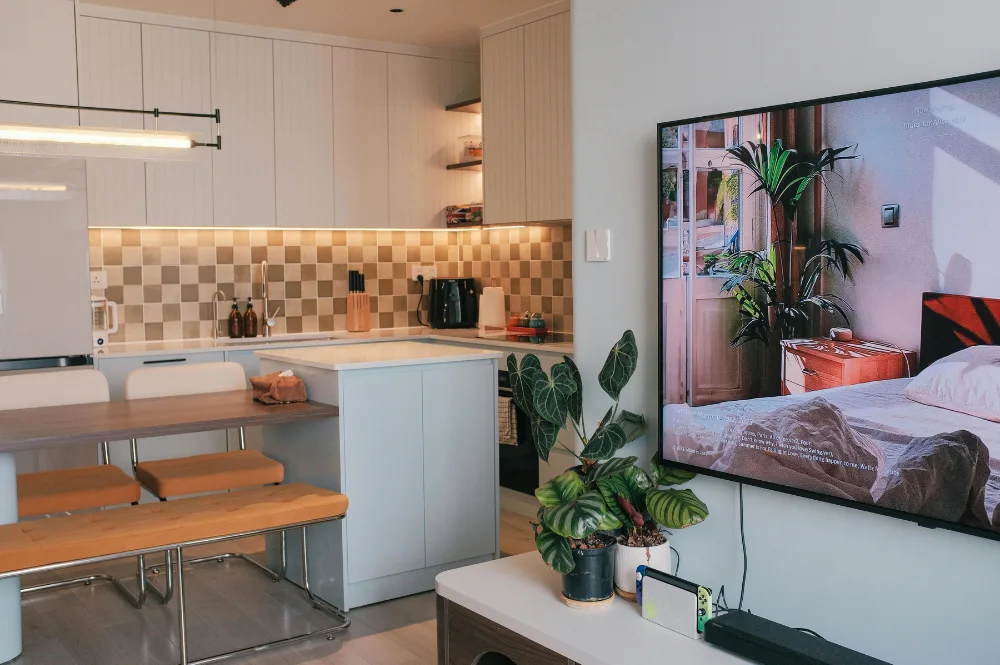
One of the most popular garage conversion ideas involves creating guest accommodations or a private rental unit. A thoughtfully designed garage apartment conversion can provide comfort and independence while still feeling connected to the property.
These layouts often include a bedroom, small bathroom, kitchenette, and sitting area. In some cases, homeowners add a separate entrance to improve privacy for guests or family members staying long term. We’ve found that the most successful guest suites feel less like converted garages and more like natural extensions of the home.
For properties with larger garages, converting the area into an accessory dwelling unit can create even more flexibility. Some homeowners use these spaces for adult children or aging parents, while others explore opportunities to generate rental income or support short term rentals where zoning allows.
The layout matters just as much as the finishes. Built in storage, floating shelves, layered lighting, and natural light all help the new space feel comfortable instead of improvised. Replacing the garage door with glass-paneled doors, clerestory windows, or sliding doors can dramatically brighten the room while creating a stronger connection to the yard.
Home Offices, Studios, and Creative Spaces
Not every garage conversion needs to function as housing. Some of the favorite garage conversion ideas are designed around work, creativity, or wellness.
A converted garage can become a quiet home office with custom cabinetry and improved acoustics. Others become art studios, music rooms, or fitness areas that support healthier daily routines. Creating a home office in a converted garage gives remote workers separation from the main living area while maintaining easy access to the house.
The key is making the room feel intentional. Adding windows, skylights, and upgraded lighting softens what was once a dark utility space. For artists and creatives, maximizing natural light often changes how the room feels entirely.
Even smaller layouts can feel open with thoughtful design. Built in shelving, one wall storage systems, and sliding screens or curtains can create privacy without making the room feel boxed in.
Making the Garage Feel Like Part of the Home
The difference between a successful garage remodel and one that feels temporary usually comes down to detail.
Exterior transitions matter. The garage door may be replaced with windows, siding, or architectural elements that blend naturally with the rest of the home. Some Maryland homeowners use reclaimed materials like Baltimore red brick to help the conversion feel more connected to the original structure.
Inside, flooring transitions, door placement, and lighting all influence how the room feels emotionally. A carefully placed focal point, such as custom built-ins, oversized windows, or statement tile, can completely shift the atmosphere of the room. In our experience, the projects that age best are the ones where the finishes, proportions, and materials feel consistent with the original architecture of the house.
Homes located within historic districts may also require additional approvals before exterior work begins. In Baltimore County, exterior modifications may need review through the Commission for Historical and Architectural Preservation before construction can proceed.
Garage Conversion Cost and Construction Considerations
Garage conversion cost depends on several factors, including size, plumbing requirements, electrical upgrades, and finish selections. A simple office conversion generally costs less than a fully independent rental unit with a kitchen and bathroom.
The cost to convert a garage into living space often ranges between $10,000 and $15,000 for moderate projects, though larger or more customized spaces may exceed that significantly. A one car conversion generally costs less than a larger two car garage project, especially when plumbing and structural changes are involved.
Construction complexity also increases when major modifications are required. Bringing a garage up to code may involve upgrading electrical wiring, adding egress windows for fire safety, or improving ventilation systems. Labor often accounts for a significant portion of the total budget, particularly when plumbing and electrical work are extensive.
Permits and building permits should always be addressed early in the process. Maryland homeowners must comply with local code requirements related to fire safety, exits, insulation, and occupancy standards. Permit and inspection costs can range from several hundred to several thousand dollars depending on the scope of the work.
Does a Finished Garage Add Value?
Homeowners often ask the short answer version first; does a finished garage add value?
In many cases, yes. A properly designed garage conversion can increase usable living space and improve how the property functions long term. Buyers are often drawn to flexible layouts that support remote work, multigenerational living, or guest accommodations.
That said, quality matters. Poor lighting, awkward layouts, or unfinished details can make the room feel disconnected from the rest of the house. A professionally planned conversion with cohesive finishes generally performs far better both functionally and financially.
The most successful projects feel fully integrated into the property rather than added as an afterthought.
If you are exploring garage conversion ideas for your Maryland home, Lynch Design | Build can help you create a space that feels refined, comfortable, and seamlessly connected to the way you live. Contact our team to begin planning your project.
FAQs
How much does a garage conversion cost in Maryland?
Garage conversion cost depends on size, construction complexity, plumbing needs, and finish selections. A simple office conversion usually costs less than a complete studio apartment or accessory dwelling unit.
Can I convert my garage into a legal living space?
Yes, although most projects require permits and must meet local code requirements. Electrical, plumbing, ventilation, and fire safety standards all need to be reviewed before construction begins.
Does converting your garage add property value?
A well-designed garage conversion can improve functionality and increase usable living space, which may positively affect long-term property value. Quality craftsmanship and cohesive design typically make the biggest difference.
What works best for a two car garage conversion?
A two car garage provides enough space for guest suites, home offices, studios, or small apartment-style layouts. The additional square footage allows for more flexible floor plans and better circulation.
Can a converted garage include a bathroom?
Yes. Many conversions include a small bathroom or full bath depending on the intended use of the space. Plumbing access and layout planning are important considerations early in the process.