
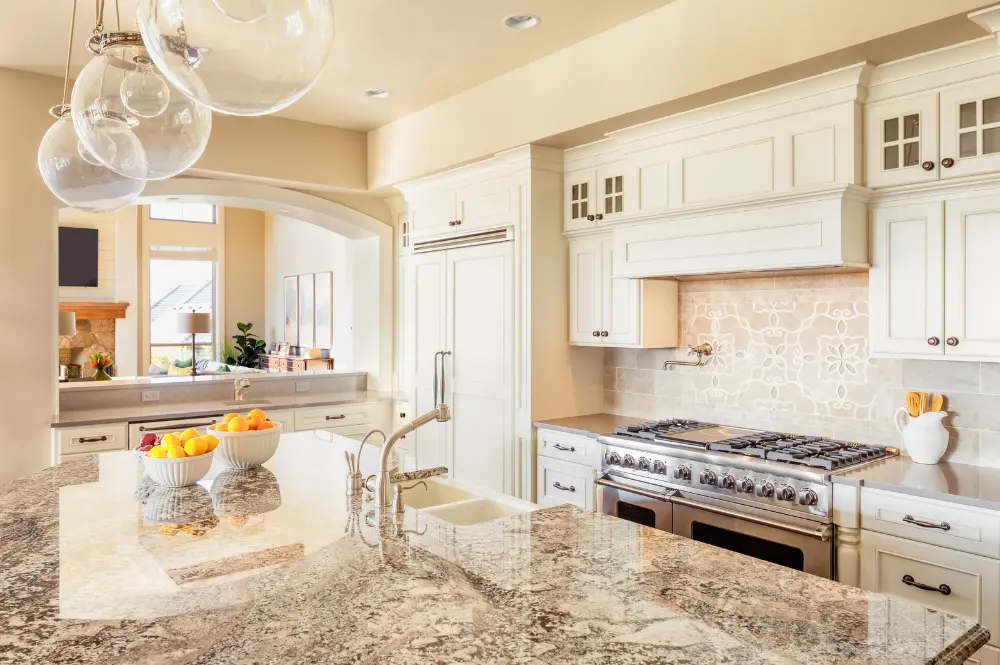
The Kitchen Designed for People Who Love to Cook
Some kitchens look beautiful in photos but become frustrating once dinner prep begins. Others seem to work effortlessly, even when multiple people are cooking, entertaining, or cleaning up at the same time. The difference often comes down to design.
If you’ve ever wondered what a chef’s kitchen entails, the answer is surprisingly simple. A chef’s kitchen is designed around cooking performance, organization, and efficiency. Every element, from the kitchen layout to the appliances and storage, is chosen to support how people prepare food and move through the space.
For homeowners planning a custom kitchen remodel, understanding what makes a chef’s kitchen different can help shape smarter design decisions that improve daily life for years to come.
Key Takeaways
- A chef’s kitchen prioritizes functionality, workflow, and food prep efficiency
- Professional-grade and high-end appliances are common features
- Storage, work zones, and counter space are essential components
- Many chef’s kitchens are designed to accommodate multiple people cooking at once
- A well-designed chef’s kitchen can positively impact home value and everyday enjoyment
Chef’s Kitchen Definition
When people think about this, they often picture a luxury kitchen filled with expensive appliances. While premium finishes certainly play a role, the real purpose of a chef’s kitchen is functionality.
A chef’s kitchen is a highly efficient cooking environment designed to support serious meal preparation. The layout is organized around food prep, cooking, serving, and cleanup. Storage is carefully planned. Appliances are selected based on how the homeowner actually cooks.
After years of helping homeowners plan kitchen remodels, we’ve learned that the best chef’s kitchens are not necessarily the largest kitchens. The kitchens that perform best are typically the ones where layout, storage, and workflow have been carefully considered from the beginning.
For passionate home cooks, the goal is creating a kitchen that works as hard as they do.
Chef’s Kitchen Designs
When discussing chef’s kitchen designs, we often focus on workflow.
Many chef’s kitchens are organized into dedicated work zones. One area may be used for food prep, another for cooking, and another for cleanup. This organization helps multiple people work in the kitchen without constantly getting in each other’s way.
A thoughtful kitchen layout also creates easy access between the sink, refrigerator, stove, and primary preparation areas. This reduces unnecessary movement and helps make cooking feel more natural.
In many custom kitchen remodel projects, we’ve seen homeowners dramatically improve functionality simply by rethinking the arrangement of cabinets, countertops, and appliances rather than increasing square footage. Small layout adjustments often create noticeable improvements in how the kitchen functions day to day.
Chef’s Kitchen vs Regular Kitchen
One of the biggest differences between a chef’s kitchen vs regular kitchen comes down to how the space is used.
A traditional kitchen is often designed around basic household needs. A chef’s kitchen is designed for people who truly enjoy cooking, entertaining, experimenting with recipes, and preparing meals regularly.
Many chef’s kitchens include:
- Larger work surfaces
- Ample counter space
- Multiple ovens
- Enhanced storage
- Specialized appliances
- Dedicated prep zones
- Professional-grade ventilation
The ability to comfortably accommodate more than one person is another important distinction. Whether preparing holiday meals, hosting friends, or simply cooking with family, the space remains functional even when activity increases.
Homeowners are often surprised by how much difference thoughtful planning can make. In many cases, a well-designed kitchen feels larger and more efficient without requiring a major expansion.
The Importance of Kitchen Appliances
Appliances play a significant role in any chef’s kitchen.
Popular appliances often include a gas cook range, double ovens, convection ovens, warming drawers, oversized refrigerators, and advanced ventilation systems. In higher end homes, appliance packages may feature a Sub-Zero refrigerator, separate Sub-Zero freezer columns, built-in coffee systems, or indoor grills.
The purpose is not simply to own expensive equipment. The goal is selecting appliances that improve performance and make cooking easier.
For example, homeowners who enjoy baking often appreciate multiple ovens. Those who entertain frequently may value warming drawers that keep food hot while guests gather. A larger refrigerator can make a substantial difference when preparing meals for larger groups.
Over the years, we’ve watched homeowners place greater value on performance and convenience than trends. The right appliances tend to improve the cooking experience long after the latest design fad has faded.
Storage Is One of the Most Overlooked Features
Ask a professional chef about kitchen frustrations and storage often enters the conversation quickly.
Cooking becomes easier when ingredients, tools, dishes, pans, and gadgets have designated locations. The best chef’s kitchens use storage strategically to reduce clutter and improve efficiency.
Custom cabinetry may include:
- Deep drawers for large pots and pans
- Pull-out pantry systems for dry goods
- Multiple cutlery organizers
- Appliance garages
- Specialized storage for baking supplies
- Dedicated spaces for small appliances
Thoughtful storage creates a more functional environment and keeps countertops available for food prep rather than clutter.
During kitchen remodels, we frequently discover that homeowners gain more functionality through better organization than through additional square footage alone. Thoughtful storage solutions often have one of the biggest impacts on daily usability.
Lighting and Workspace Matter More Than Most Homeowners Realize
Lighting is another area where chef’s kitchens differ from standard kitchens.
General ceiling lighting provides overall illumination, but task lighting is what makes cooking safer and more enjoyable. Proper lighting over prep surfaces, sinks, ranges, and islands improves visibility and reduces fatigue during longer cooking sessions.
Natural light also contributes significantly to the overall feel of the room. Large windows, glass accents, and carefully positioned fixtures help create a kitchen that feels inviting throughout the day.
Combined with generous counter space and thoughtful work zones, quality lighting supports both functionality and comfort.
Luxury Kitchen Design That Supports Everyday Living
A chef’s kitchen often fits naturally within a broader luxury kitchen design, but luxury should always support practicality.
High-quality countertops, custom cabinetry, premium fixtures, hardwood flooring, and carefully selected materials contribute to a refined appearance while standing up to daily use.
We’ve found that homeowners are happiest when their dream kitchen balances beauty and functionality. A stunning kitchen may impress visitors, but a well-designed kitchen improves everyday life.
The most successful projects create spaces where homeowners genuinely enjoy spending time, whether they are preparing a quick breakfast or hosting a large gathering.
Bringing a Chef’s Kitchen Into Your Maryland Home
For homeowners considering kitchen remodeling projects, incorporating chef’s kitchen principles can create lasting value.
A thoughtfully planned kitchen renovation project allows homeowners to improve workflow, upgrade appliances, increase storage, and create a more enjoyable cooking environment. Small layout changes can have a surprisingly large impact, while larger renovations create opportunities to completely rethink how the space functions.
We’ve seen homeowners transform outdated kitchens into highly functional gathering spaces that better support cooking, entertaining, and everyday routines.
Creating a Kitchen That Works as Hard as You Do
The simplest answer to what is a chef’s kitchen is that it is a kitchen designed around performance.
Professional appliances matter. Quality materials matter. Thoughtful planning matters even more.
When storage, work zones, lighting, appliances, and layout come together successfully, the result is a kitchen that feels effortless to use. It becomes a space that supports family gatherings, encourages creativity, and makes preparing food genuinely enjoyable.
If you’re considering a custom kitchen remodel and want to explore chef’s kitchen features, Lynch Design | Build can help bring your vision to life with thoughtful planning, quality craftsmanship, and a design tailored to the way you live.
FAQs
What makes a chef’s kitchen different from a regular kitchen?
A chef’s kitchen is designed around cooking efficiency, food prep, storage, and workflow. Features such as multiple work zones, larger appliances, enhanced ventilation, and ample counter space help support more serious cooking activities.
Do I need professional-grade appliances for a chef’s kitchen?
Not necessarily. While many homeowners choose high-end appliances, the best kitchen appliances are the ones that support your cooking habits and lifestyle. Layout and functionality often matter more than brand names.
What appliances are commonly found in a chef’s kitchen?
Popular features include a gas cook range, multiple ovens, warming drawers, oversized refrigerators, advanced ventilation systems, and specialized cooking equipment designed for frequent use.
What are the benefits of a gas cook range?
A gas cook range offers precise temperature control and immediate heat adjustment, making it a popular choice in many chef’s kitchens. Homeowners who cook frequently often appreciate the responsiveness when preparing sauces, sautéing, or managing multiple dishes at once.
Does a professional chef need a chef’s kitchen at home?
Not necessarily. While a professional chef may appreciate advanced features, many homeowners enjoy the benefits of a chef’s kitchen. Efficient work zones, quality appliances, and thoughtful storage can make everyday cooking easier regardless of skill level.
Is a chef’s kitchen the same as a gourmet kitchen?
The terms are often used interchangeably, but a gourmet kitchen typically emphasizes premium finishes and entertaining features, while a chef’s kitchen focuses heavily on cooking performance an