Are you looking to increase your home’s value but aren’t sure where to start? Knowing what renovations increase home value is a smart first step, especially if you plan to sell soon or simply want to enhance your living space. Investing in strategic home improvement projects can offer major returns. Simple cosmetic upgrades and full-scale renovations alike can improve the look and feel of your home and significantly raise its market value.
In this article, we’ll explore 15 effective home improvement ideas that can boost your property’s value while improving its functionality and appeal. Over decades of remodeling homes throughout Central Maryland, we’ve seen these upgrades that increase home value pay off again and again.
Not all renovation projects are created equal, though. Many factors, including your local housing market and what potential buyers in your area expect, shape how much a project adds to the value of your home.
Key Takeaways
- Kitchens and bathrooms remain among the best home improvements to increase value, and well-chosen midrange updates often deliver strong returns.
- Curb appeal projects, including a new garage door, create a strong first impression and consistently earn some of the highest returns at resale.
- Finishing a basement or attic adds livable square footage without the cost of building an addition.
- Energy efficiency, weatherproofing, and new windows protect the home and appeal to buyers who ask about energy bills.
- Careful planning with an experienced remodeling contractor helps you prioritize the projects with the most long-term value.
1. Kitchen Upgrades That Add Value
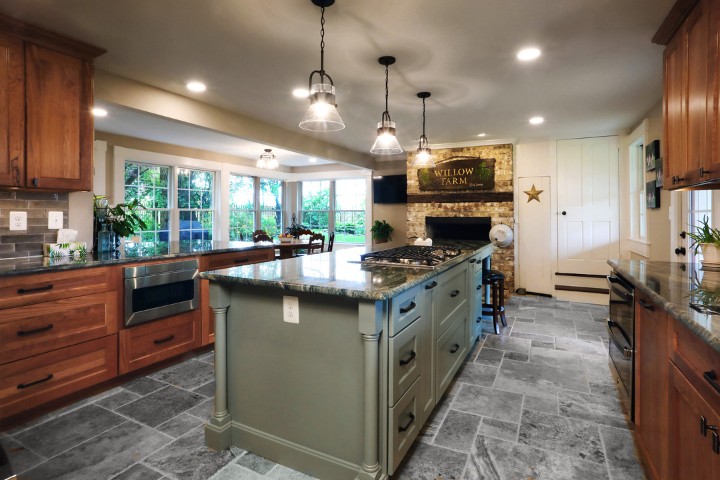
The kitchen is often referred to as the heart of the home, and it’s one of the first areas buyers evaluate. Even small updates can make a big difference, which is why kitchens consistently rank among the best home improvements to increase value. National Cost vs. Value data shows a minor kitchen remodel recouping about 96% of its cost at resale.
Ideas to Consider:
- Replacing outdated appliances with energy-efficient models
- Updating countertops with granite or quartz
- Installing a tile backsplash
- Painting or refacing cabinet fronts
- Upgrading to modern cabinet hardware and fixtures
These improvements enhance aesthetics and create a functional space that appeals to future buyers. A typical kitchen remodel can take six to ten weeks to complete, so careful planning up front matters.
2. Bathroom Renovations With High Impact
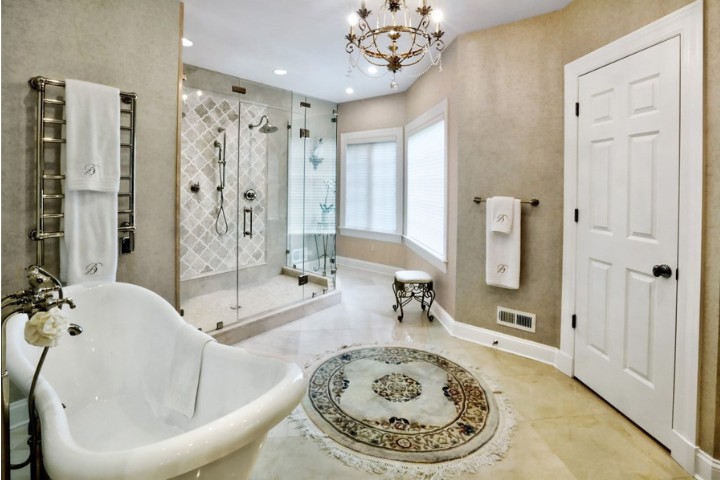
Bathrooms are another high-impact area when it comes to home value. Modest improvements can make a noticeable difference here, too. A focused bathroom refresh typically costs between $2,000 and $4,000, while a midrange bathroom remodel averages about $26,000 and recoups roughly 80% of its cost.
Simple Renovations Include:
- Installing a new vanity or sink
- Replacing old faucets with modern, water-saving fixtures, including low-flow toilets that use 1.28 gallons per flush
- Adding stylish tile around tubs or showers
- Upgrading lighting and mirrors, a cost-effective way to brighten the room
Cosmetic upgrades can significantly improve a bathroom’s appeal. For homes with only one full bath, adding a second is one of the more meaningful upgrades that increase home value.
3. Fresh Interior Paint
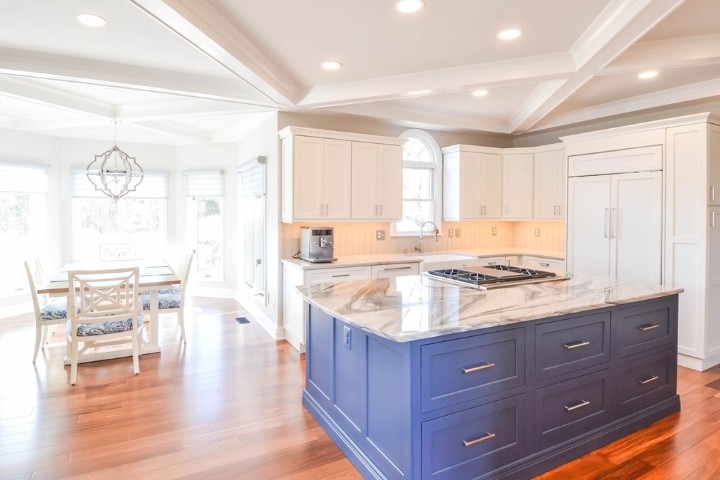
Painting your walls is one of the easiest and most affordable ways to revitalize your home. Neutral colors like white, beige, and soft gray make spaces feel brighter and more welcoming. Fresh paint also helps a home appear move-in ready, which buyers appreciate when they’re weighing renovation costs.
Pro Tip: Focus on high-traffic areas like hallways, kitchens, and living rooms. A fresh coat of paint also helps cover scuffs and marks, giving your home a well-maintained appearance.
4. Enhance Curb Appeal to Increase Home Value
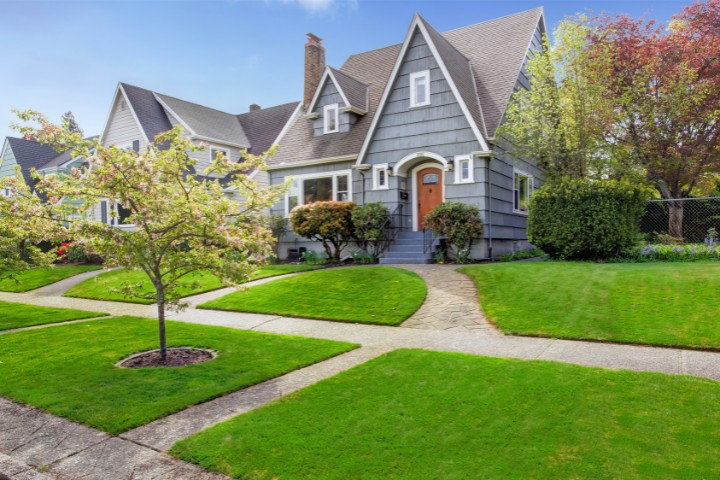
First impressions matter. Improving your home’s exterior is a great way to increase its marketability and set the tone for what buyers can expect inside. Simple landscaping and a thorough cleaning immediately elevate the perceived value of a home.
Effective Curb Appeal Projects:
- Landscaping with low-maintenance plants
- Adding outdoor lighting
- Power washing walkways and siding
- Repainting the front door or replacing the house numbers
- Adding manufactured stone veneer, which recoups about 208% of its cost on average
These small touches can make a big difference in your home’s appearance and perceived value.
5. Replace the Garage Door for a High-ROI Upgrade
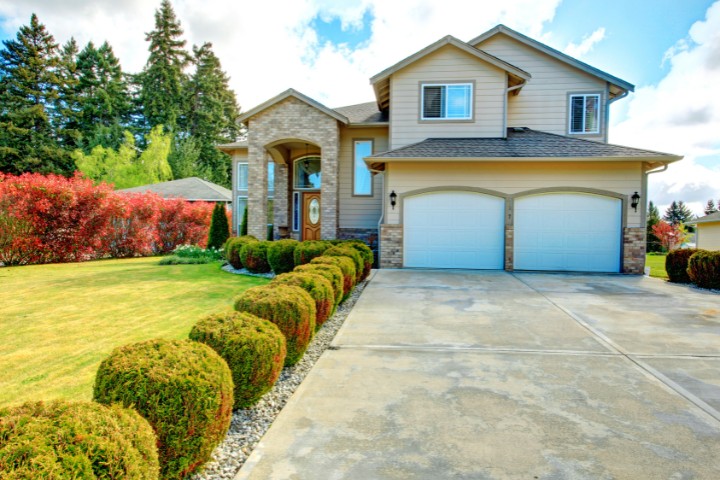
Replacing an outdated garage door is a high-ROI project that also boosts curb appeal. A new garage door improves functionality and enhances your home’s overall look. Garage door costs average about $4,672 nationally, and the project recoups roughly 268% at resale, among the highest returns of any home improvement.
Look for Features Like:
- Insulated doors for energy efficiency
- Smart garage door openers
- Modern designs that complement your home’s architecture
Because a garage door can take up a large share of the front facade, this upgrade goes a long way toward helping your home stand out to potential buyers.
6. Build or Upgrade Outdoor Living Spaces
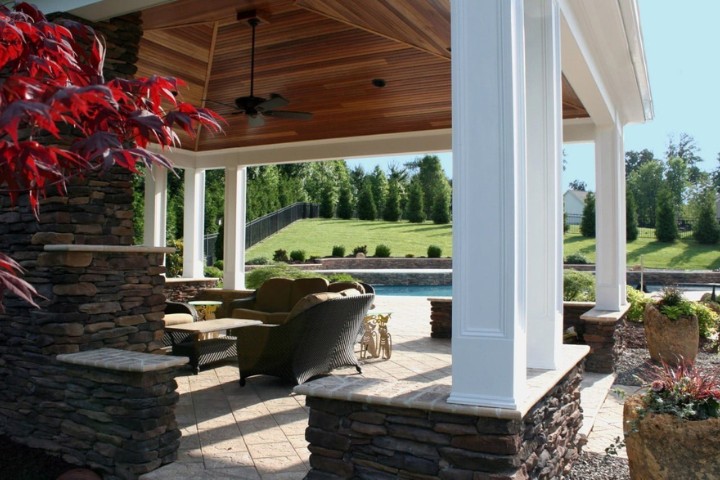
Outdoor spaces are in high demand among homeowners and buyers alike. Creating a functional and stylish backyard retreat can increase your home’s value and your enjoyment.
Outdoor Improvements to Consider:
- Installing a patio or deck
- Building an outdoor kitchen or fire pit
- Adding pergolas or shade structures
- Enhancing with outdoor lighting and landscaping
These upgrades extend your living space and make your home more appealing for entertaining. A deck addition is a popular choice, while swimming pools tend to offer weaker resale returns because they appeal to a narrower group of buyers.
7. Install Modern Fixtures
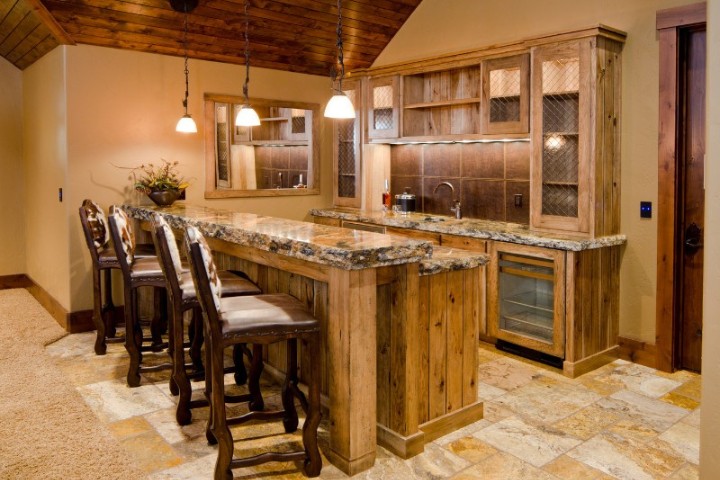
Outdated light fixtures, ceiling fans, and faucets can age your home. Replacing them with sleek, modern options is a simple way to elevate your home’s style. Updating kitchen fixtures typically costs between $150 and $600, making it one of the more cost-effective home improvements.
Focus on Fixtures In:
- Entryways
- Kitchens and bathrooms
- Living and dining rooms
Choose finishes that complement your home’s style, such as matte black, brushed nickel, or polished chrome.
8. Upgrade Your Flooring
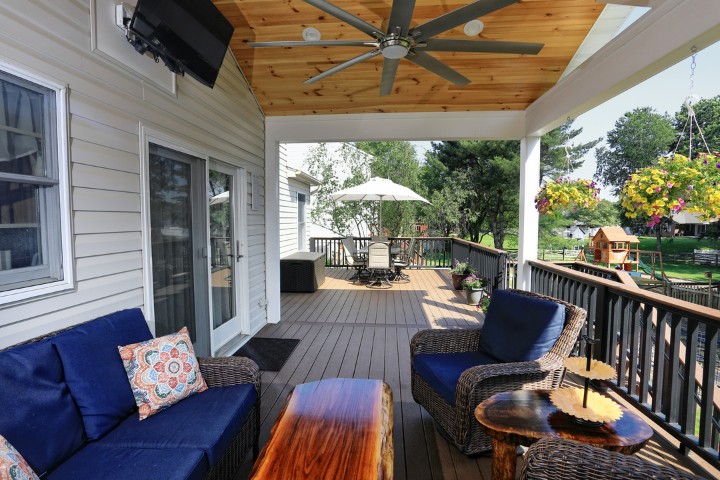
Worn or outdated flooring can drag down your home’s value. Upgrading to durable and attractive flooring materials is one of the best ways to increase home value and breathe new life into your interior.
Popular Choices Include:
- Hardwood or engineered wood
- Luxury vinyl planks (LVP)
- Modern tile in kitchens and baths
If your budget is limited, consider refinishing hardwood floors or replacing worn carpet in key areas. Many homeowners find that sanding original hardwood or installing consistent luxury vinyl plank through the main living areas makes the whole house feel updated, and new flooring appeals to modern buyers.
9. Open Up the Floor Plan
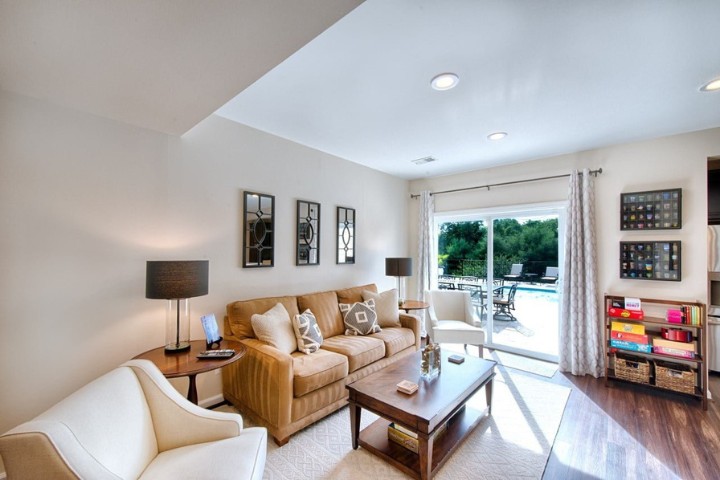
Open floor plans are highly desirable because they make homes feel larger and more connected. If your layout allows, removing a non-load-bearing wall can create a more modern flow.
Other Options:
- Widening doorways
- Installing sliding barn doors
- Creating pass-through windows between rooms
Consult an experienced remodeling contractor to determine which walls can be safely removed or modified.
10. Add Smart Home Technology
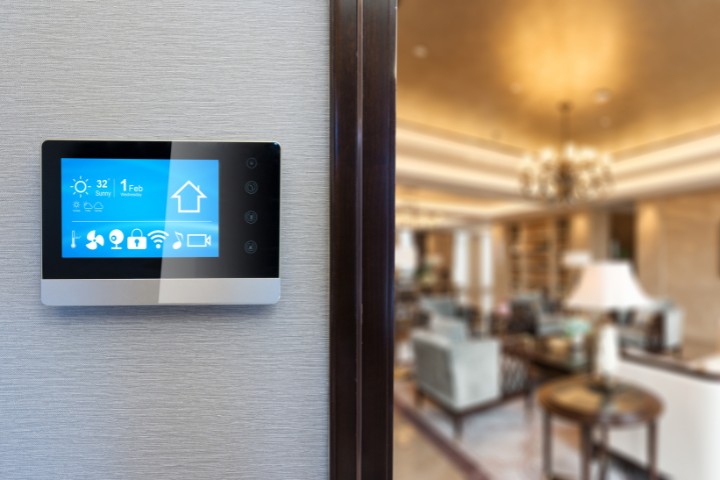
Smart home features are becoming increasingly popular for their convenience, security, and energy savings. According to ENERGY STAR, a certified smart thermostat can save about $50 a year on energy bills, and some security devices may even help lower insurance premiums.
Smart Home Features to Consider:
- Smart thermostats
- Video doorbells and security cameras
- Smart lighting and locks
- Integrated home assistants
These upgrades can make your home more attractive to tech-savvy buyers.
11. Improve Energy Efficiency
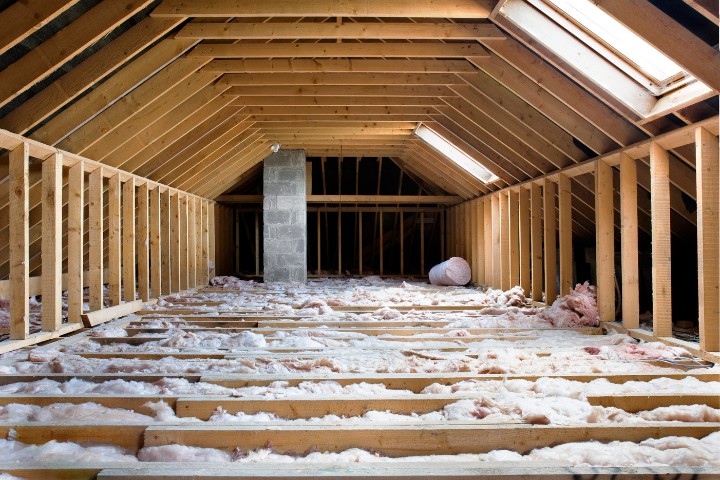
Energy-efficient upgrades lower utility bills and also appeal to environmentally conscious buyers.
Efficiency Projects Include:
- Installing energy-efficient windows
- Adding insulation in the attic and walls
- Sealing air leaks
- Upgrading to LED lighting throughout the home
These changes also make your home more comfortable year-round. Upgrading to a modern, energy-efficient HVAC system and ENERGY STAR appliances can significantly lower energy bills and give buyers peace of mind. An energy audit is a helpful first step for identifying where your home is losing efficiency.
12. Weatherproof Your Home
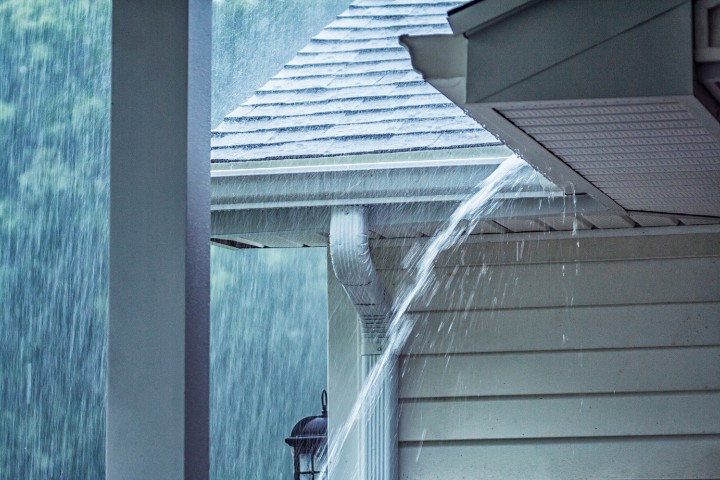
Protecting your home from the elements is a smart investment that adds long-term value. It’s wise to fix maintenance issues like leaks before investing in cosmetic upgrades, since a well-maintained home makes a stronger impression on buyers and inspectors.
Weatherproofing Tips:
- Replace worn weather stripping and caulk
- Install storm doors and windows
- Add gutters and drainage systems
- Inspect the roof for leaks or damage, and plan a roof replacement when needed
These measures help preserve the structural integrity of your home and reduce maintenance costs. New siding is worth considering, too, with fiber cement or vinyl siding replacement recouping roughly 97% to 114% of its cost.
13. Maximize Storage Space
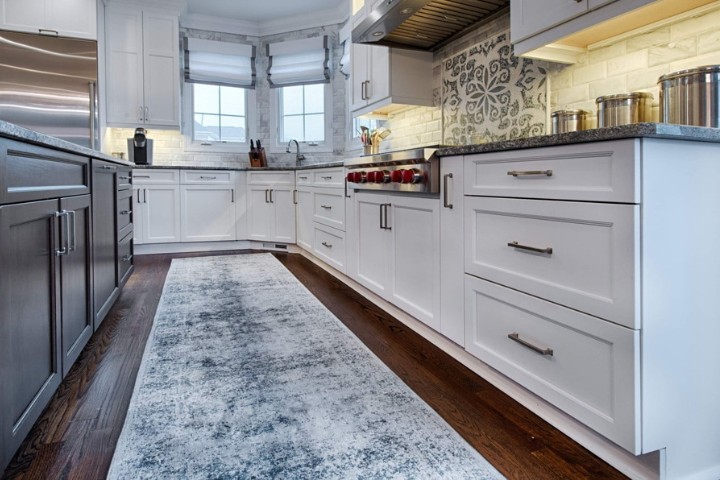
Storage is a major selling point for buyers. Improving your home’s organization and storage capacity can have a big impact on value.
Storage Solutions Include:
- Built-in shelving
- Closet organizers
- Attic or garage storage systems
- Under-stair storage
Even small improvements can make your home feel more spacious and functional, which supports its resale value.
14. Finish the Basement or Attic for More Living Space
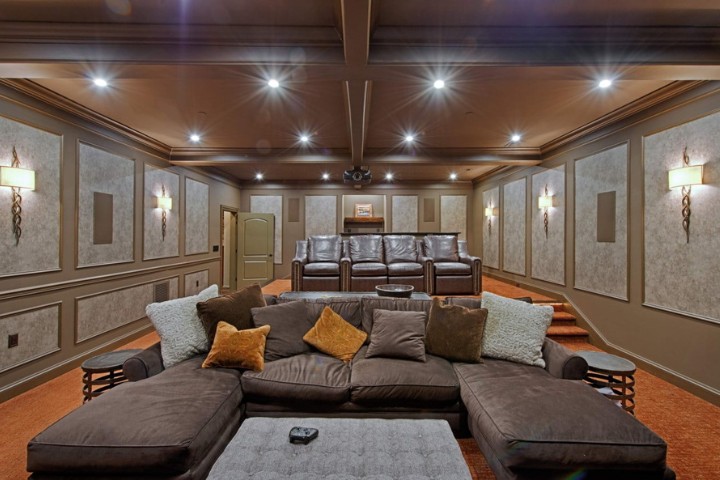
Converting unused space into livable square footage is one of the most effective ways to increase home value. Homes are valued largely by the livable square feet they contain, so an unfinished basement offers a ready-made opportunity. A finished basement or attic can become a bedroom, home office, gym, or media room, and basement finishing projects can yield around a 70% return.
Key Features to Include:
- Adequate lighting and insulation
- Heating and cooling solutions
- Flooring and wall finishes
- Egress windows (especially in basements)
Finished spaces add flexibility and increase your home’s usable area without requiring a costly addition. A separate in-law suite with its own bathroom can also set your home apart and appeal to more buyers.
15. Update Doors and Windows
Old doors and windows can hurt your home’s efficiency and aesthetic. Replacing them improves comfort, safety, and curb appeal. A steel entry door averages about $2,435 and can recoup roughly 216% at resale, while new windows typically recover about 71% to 74% of their cost.
Upgrade Ideas:
- Installing energy-efficient windows
- Replacing old front or patio doors
- Adding storm doors or French doors
New doors and windows also provide better sound insulation and increase natural light.
Financing Your Remodeling Project
Many homeowners use the home equity they’ve built to pay for home renovations. A home equity loan provides a lump sum, often at a fixed interest rate, while cash-out refinancing replaces your current mortgage with a larger loan and pays you the difference. Personal loans offer a fixed amount without using your house as collateral, though interest rates are typically higher. Because the right choice depends on your finances, it’s worth reviewing options with your lender or financial advisor before you borrow money for a renovation.
How to Increase the Value of Your Home with Expert Help
Strategic home improvements can make a big difference in your property value, comfort, and marketability. A full kitchen renovation and a new outdoor living space each bring you one step closer to a more functional and beautiful home. Before you choose, it helps to talk with real estate professionals about your local housing market, since a project that supports a higher asking price in one neighborhood may not in another. Luxury upgrades like an upscale master bedroom suite addition typically recoup a much lower percentage of their cost than simple fixes and exterior replacements, which consistently deliver a positive ROI.
At Lynch Design | Build, we specialize in high-quality renovations that elevate your home’s appeal and long-term worth. As a family-owned design-build contractor serving Central Maryland since 1958, our experienced team can help you prioritize updates, design stylish upgrades, and ensure every detail is handled with care.
Ready to boost your home’s value? Schedule your consultation with Lynch Design | Build to explore the best ways to increase home value and get started on your home improvement journey.
Frequently Asked Questions
What renovations increase home value the most?
Kitchen updates, bathroom renovations, and added living space such as a finished basement typically have the greatest impact on value. Exterior projects like a new garage door or entry door also tend to recoup a high share of their cost. The right choice depends on your home, neighborhood, and how long you plan to stay.
Which home improvements offer the best return for a smaller budget?
Fresh interior paint, updated light fixtures, refinished hardwood floors, and curb appeal improvements often deliver noticeable results for a modest investment. These updates make a home feel well maintained, which buyers and appraisers both pick up on quickly.
Can a renovation lower my home’s value?
It can. Highly personalized finishes, unpermitted work, or a project that far outpaces neighboring homes may not show up in an appraisal. Converting a bedroom or garage in a way that limits flexibility can also narrow your buyer pool. Careful planning helps you sidestep those pitfalls.
How do I choose a remodeling contractor for a value-adding project?
Look for contractors with a Maryland Home Improvement Commission (MHIC) license, proper insurance, a long track record, and a portfolio of comparable work. Ask how they handle design, pricing, and permits, and who your point of contact will be. Conversations with past clients are especially telling.
How long do value-adding renovations usually take?
Timelines vary widely by scope. Paint and fixture updates may take days, a bathroom remodel often takes several weeks of construction, and basement finishes or larger renovations can run several months, plus time for design and permitting. Thorough planning is the most reliable way to keep things on track.